Balconies offer valuable outdoor space, but they also ask for a little practical restraint. Wind, strong sunlight, drainage and load limits matter more than whether the pots match. A small group of well-chosen containers can be easier to manage—and more enjoyable—than filling every available corner on the first weekend.
Check the rules before the mood board
If you live in an apartment, review strata, body corporate or rental requirements before installing planters, screens or hanging baskets. Never assume a railing can support a heavy wet container. Consider how water drains, whether anything could fall in strong wind and whether you're blocking an exit or access for maintenance. A balcony should remain safe and usable first.
Watch sun and wind together
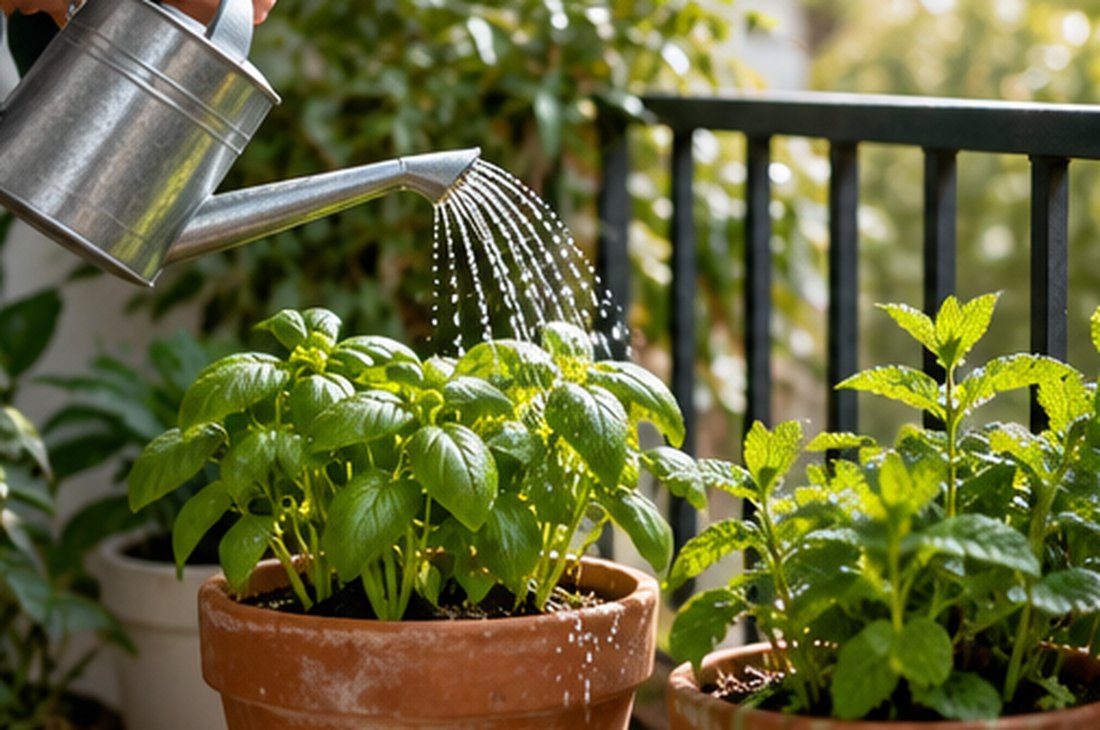
A sheltered east-facing corner and an exposed west-facing balcony may demand different plants. Strong wind can dry potting mix quickly and damage leaves, while hot reflected light can scorch tender foliage. Observe conditions over several days, and ask a knowledgeable local nursery for suitable species. Moveable pots can be helpful because you can adjust their position without permanent alterations.
Pick fewer, larger-enough pots
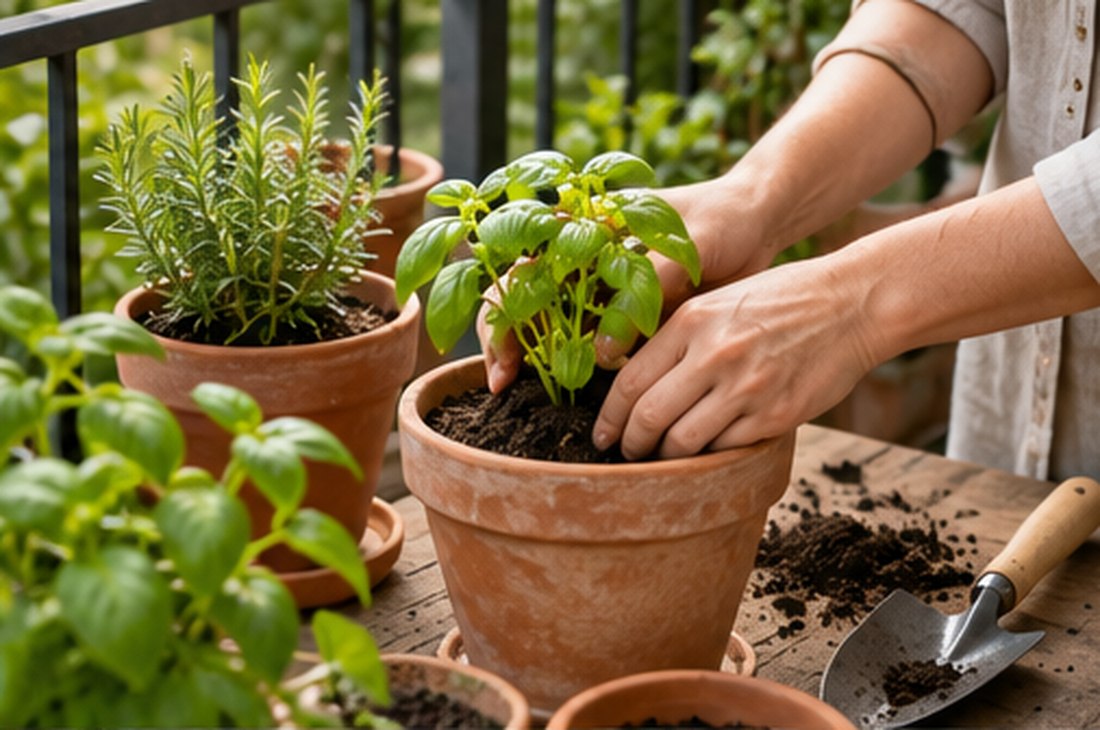
Very small containers may dry quickly in summer. Choose appropriately sized, stable pots with drainage and use potting mix made for containers. Place heavier pots where the surface and structure can safely support them; get building or strata advice if you're unsure about loads. Put saucers or trays where appropriate but don't allow persistent pools of water or leaks to neighbours.
Give the layout a purpose
Leave a clear path to doors and any required exits. Use a cluster of pots to create a focal point rather than a scattered obstacle course. A small chair, if space and rules allow, can make the area pleasant enough to visit regularly. You might group edible herbs near the kitchen access and decorative foliage where it gets the appropriate light.
Plan for the difficult week
Think about how plants will cope with a windy forecast, a holiday or an extremely hot spell. A neighbour may be able to help, but watering systems and permanent installations should be approved and safe. The most successful balcony garden is the one that can survive your ordinary routine, not just look good for its first photograph.
Conditions, products and homes vary. This article is general information, not a substitute for professional advice about structural, electrical, plumbing, health, or specialist horticultural issues. Follow product instructions and local rules where relevant.