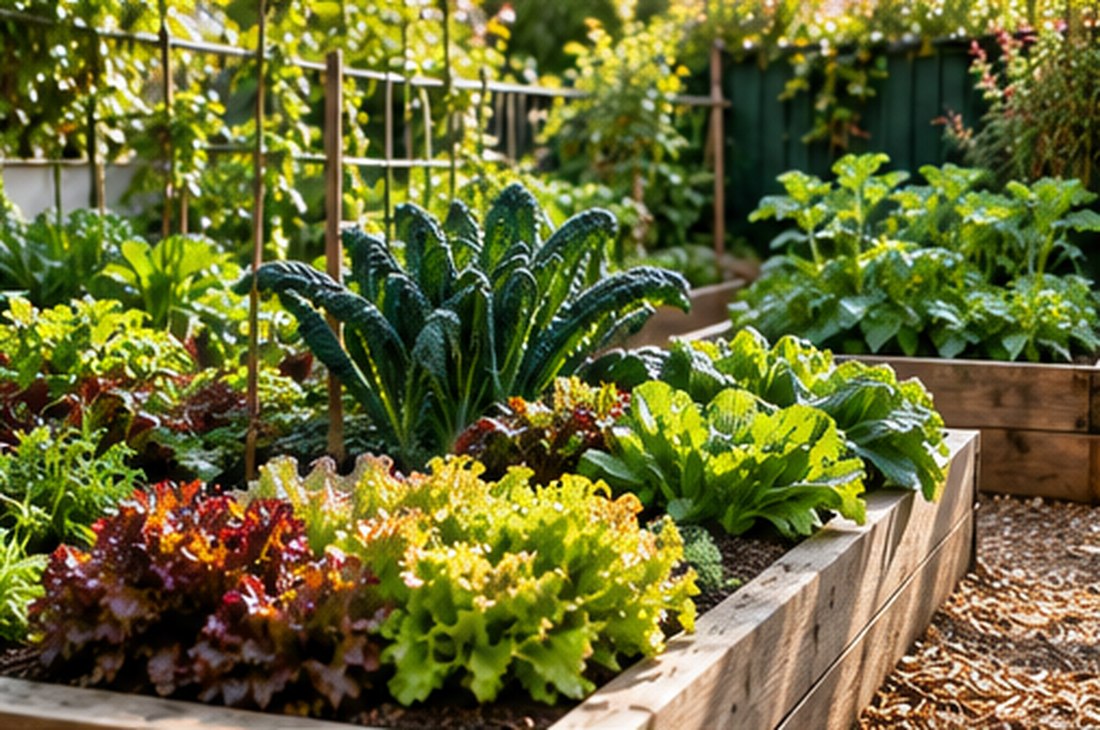
Raised vegetable beds can look wonderfully neat in photographs, but the frame is only part of the project. A productive bed depends on sunlight, appropriate growing media, access to water and crops that suit the season. Before shopping for a kit, spend a little time planning how you will use the space and maintain it.
Spend a few days observing the site
Take note of where sunlight falls through the day, not just at lunchtime. Nearby walls and trees may cast long shadows, while exposed paving can make a location hotter than expected. Consider easy access to a tap and enough room to work around the bed without stepping on the soil. Keep the location away from obvious sources of contamination and assess uncertain soil before growing food.
Choose a manageable size and material
You should be able to reach the middle from the sides without climbing in. Consider mobility and whether a higher bed would make gardening easier. If buying timber or a kit, confirm it is appropriate for edible gardening and local conditions. Avoid repurposing timber with unknown treatments or surface coatings. For deep or heavy structures, account for the weight of moist soil and seek appropriate advice on supporting surfaces.
Plan for soil, drainage and settling
Use a quality growing medium appropriate for raised beds and local conditions. Make sure excess water can drain safely and that the bed won't direct water towards building foundations or neighbouring properties. Organic matter can improve some soils, but amendments depend on what is already there. Avoid treating every soil problem with the same bagged product; a local garden centre can help identify sensible options.
Plant only a few useful crops
Start with vegetables or leafy greens your household enjoys. Planting timing varies from tropical to temperate Australia, and even neighbouring suburbs can have different frost or heat exposure. Use local nursery advice and region-specific sowing guides rather than a national 'plant this month' list. Allow realistic spacing so seedlings can develop without crowding, and read seed packets for cultivar-specific information.
Make maintenance sustainable
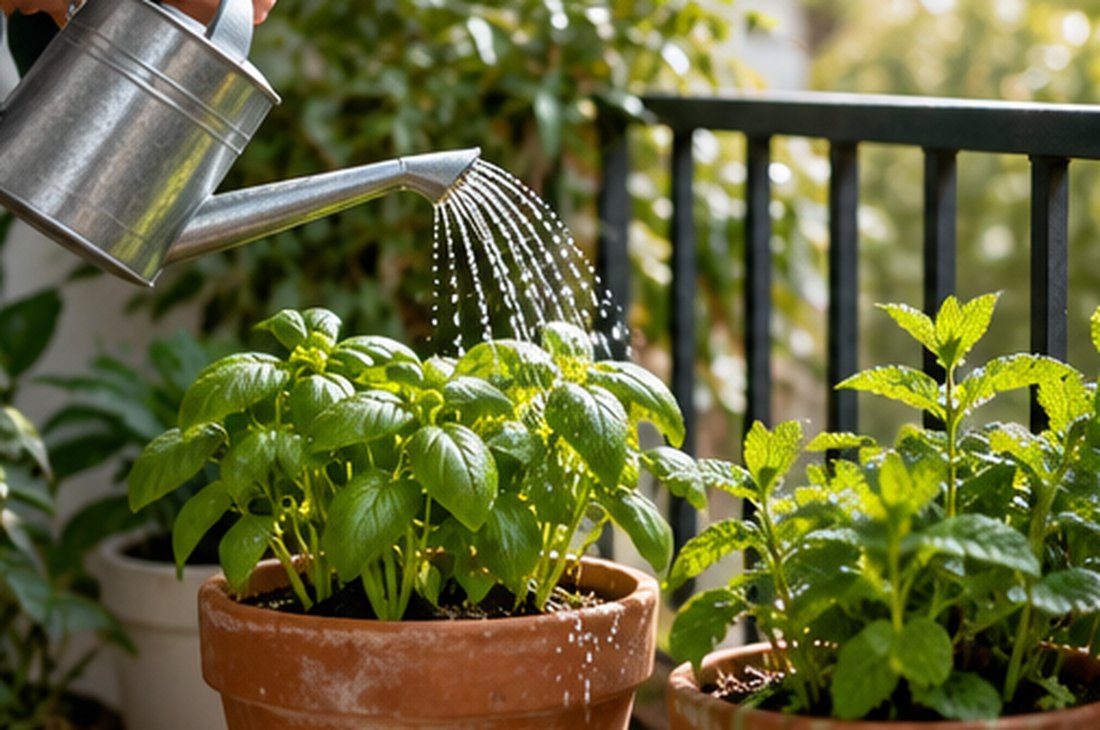
Check moisture below the top layer, use suitable mulch and keep it away from plant stems. Visit the bed often enough to spot pests or wilting early, but don't assume it must be watered daily. Keep the paths clear and tools stored safely. One manageable bed is easier to learn from than an oversized project that becomes an obligation every weekend.
Conditions, products and homes vary. This article is general information, not a substitute for professional advice about structural, electrical, plumbing, health, or specialist horticultural issues. Follow product instructions and local rules where relevant.