A water-wise garden is not necessarily a bare garden or a collection of cactus pots. It is a space designed around local rainfall, soil, shade, plant suitability and thoughtful irrigation. The biggest improvements often happen before you pick up a hose: observing where water is lost and planting according to what the site can support.
Group plants by their needs
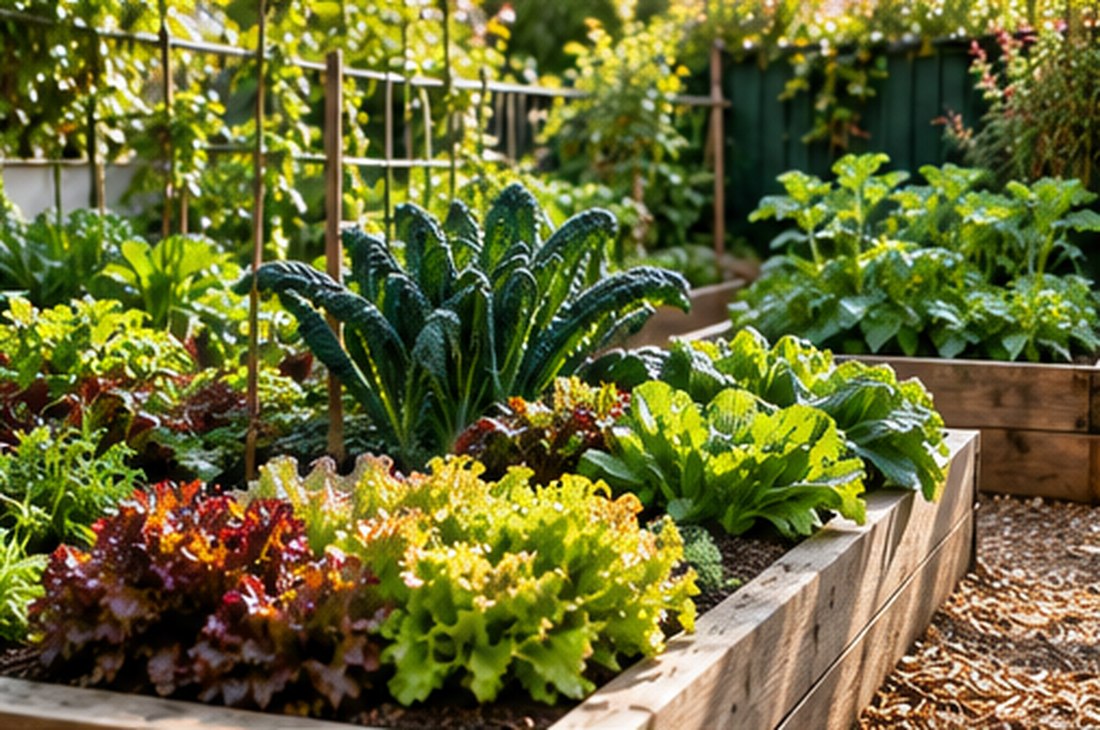
A thirsty vegetable bed and an established drought-tolerant shrub have very different requirements. Keeping plants with similar needs together makes targeted watering simpler and reduces the tendency to soak everything equally. Look for locally suitable species and consider how their requirements change while they establish. Even plants labelled drought tolerant often need regular care when newly planted.
Improve the soil rather than flooding it
Soil types behave differently. Sandy soils may drain rapidly, while some compacted or clay soils can shed water or stay wet for too long. Appropriate organic matter and soil preparation can help, but the right approach depends on existing conditions. Test moisture a little below the surface before watering, and allow time for water to reach the root zone instead of rushing off a hard surface.
Let mulch do part of the work
Suitable coarse mulch helps reduce evaporation and suppress weeds. The Water Corporation recommends a layer of water-wise mulch and keeping material clear of stems. Mulch is not a reason to ignore moisture; feel beneath it when checking whether plants need water. Replenish as it decomposes and make sure drainage paths remain clear of accumulated material.
Choose timing and delivery carefully
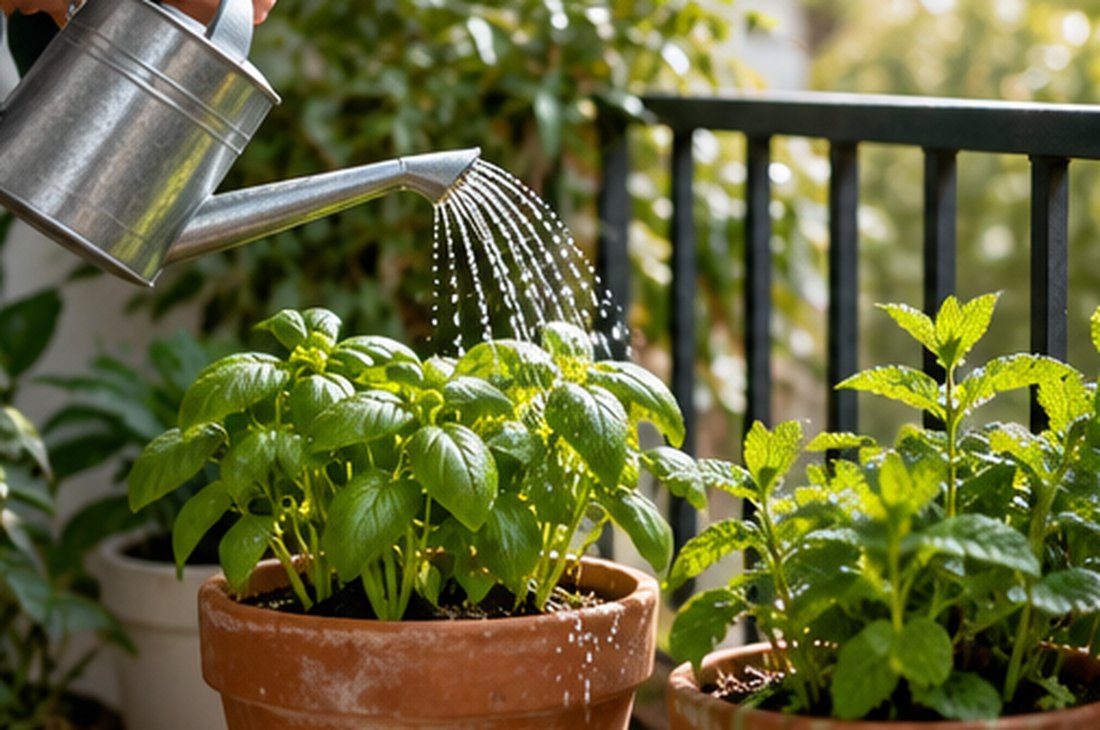
Watering during cooler parts of the day can reduce evaporation. A watering can or well-controlled hose nozzle lets you target particular plants, while a properly designed irrigation system may help larger areas. Always check current local watering restrictions and exemptions, which can vary by council, water supplier and season. Don't assume advice for Perth applies unchanged in Sydney, Brisbane or regional areas.
Give shade a role
Hot afternoon sun and reflective paving can make even a small garden harsh. Consider temporary shade for vulnerable seedlings, suitable shade-tolerant planting, or long-term landscaping that takes growth, structures and services into account. Large trees and built shading may require approvals or professional assessment. A well-planned garden responds to the place rather than trying to overpower the weather.
Conditions, products and homes vary. This article is general information, not a substitute for professional advice about structural, electrical, plumbing, health, or specialist horticultural issues. Follow product instructions and local rules where relevant.