One yellow leaf does not necessarily mean a houseplant is in trouble. Older foliage naturally changes and drops, while persistent yellowing can have several causes. Rather than treating the colour as a diagnosis, look for patterns: which leaves are affected, how the potting mix feels and what has changed around the plant.
Check the soil before adding water
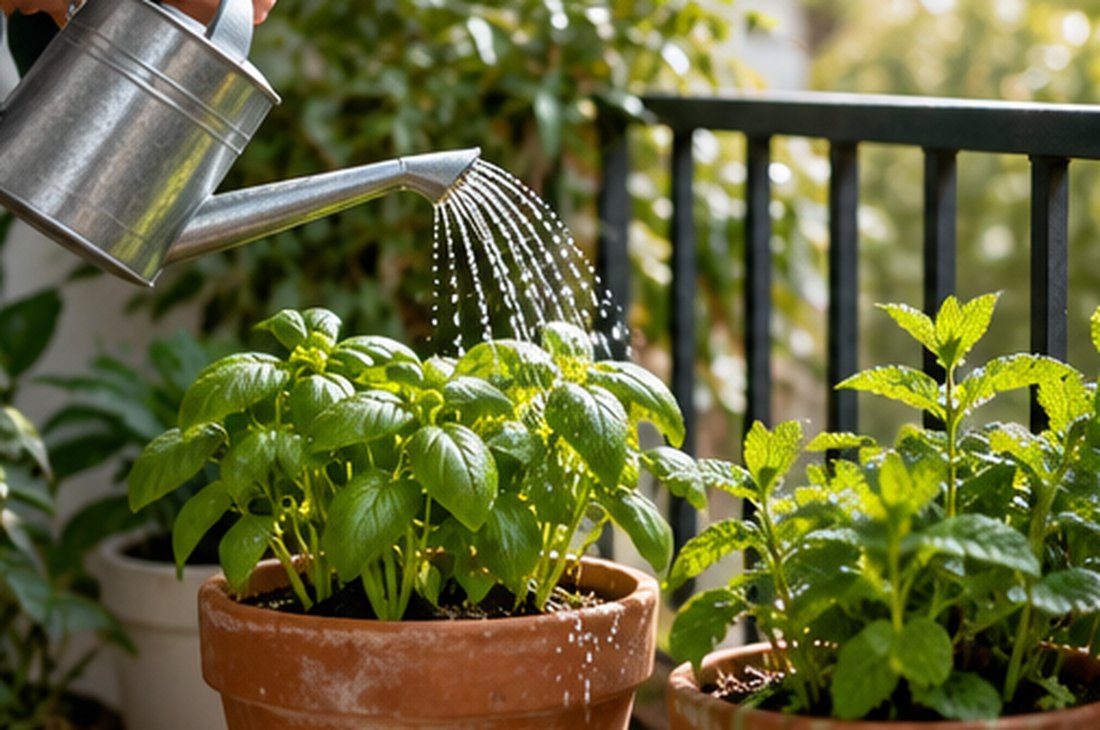
Watering an already soggy pot can make matters worse. Feel below the top layer of potting mix and check whether drainage holes are open. If the pot is heavy and the mix remains damp after many days, pause watering and examine drainage. If the mix is completely dry, the plant may instead need a thorough drink. The same leaf colour can appear with opposite moisture problems, so don't guess.
Look for a pattern on the plant
A single older leaf yellowing near the base may simply be ageing. Several rapidly yellowing leaves, mushy stems, a sour smell or wilting despite wet soil deserve closer attention. Crispy edges may point to different conditions than soft, limp tissue. Photograph changes over a few days so you can compare them rather than moving the pot repeatedly in response to every new mark.
Consider the room and the season
Moving a plant from a nursery to a hot windowsill, placing it near an air-conditioning outlet or leaving it in deep shade can add stress. Day length, indoor heating and cooler winter conditions affect growth and drying rates. Check for direct midday sun through glass and draughts. Introduce a new light position gradually when possible rather than placing a shade-grown plant straight in harsh sun.
Look for pests, but avoid random sprays
Examine leaf undersides and stems for webbing, sticky residue or small insects. Isolate a suspicious plant from others until you understand the issue. Different pests require different responses; follow reliable horticultural advice and product labels instead of using a general-purpose spray indiscriminately. Keep pest-control products away from children, pets and food-preparation areas.
Change one variable at a time
If you decide the soil is persistently too wet, address drainage and allow an appropriate drying interval before adding fertiliser. If the problem appears tied to low light, trial a brighter but suitable location and monitor new growth. Changes take time, and damaged leaves may not return to green. If the plant continues declining, a local nursery or horticulturist can help identify the species and likely cause.
Conditions, products and homes vary. This article is general information, not a substitute for professional advice about structural, electrical, plumbing, health, or specialist horticultural issues. Follow product instructions and local rules where relevant.