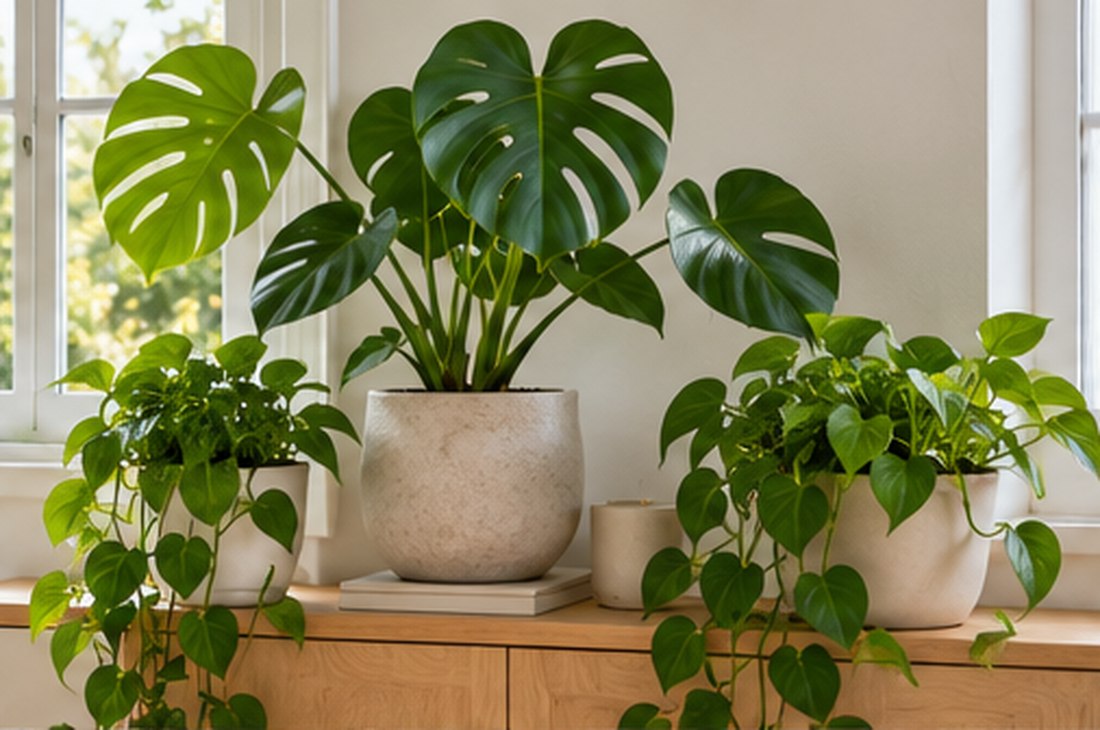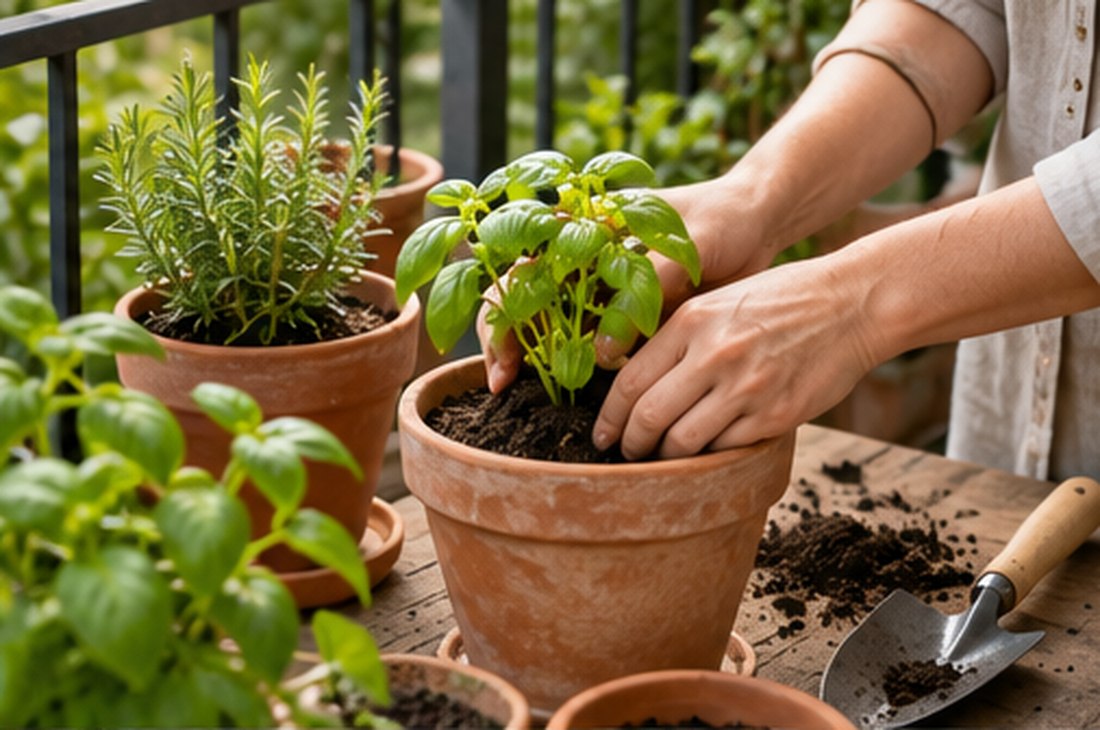
There is no universal watering day. The same houseplant can dry quickly in a small terracotta pot near summer sunlight and stay damp for longer in a larger container during winter. The useful routine is to check the plant's current conditions, water deliberately when appropriate and make sure the excess has somewhere to go.
Feel below the surface
Put a clean finger a short way into the mix, or use a suitable wooden stick to gauge moisture below the top layer. For many common foliage houseplants, a drier upper layer can indicate that it is time to consider watering; some species prefer more or less moisture. Learn the particular plant's requirements rather than using one test for everything. A pot's weight can also become a helpful clue over time.
Water the root zone, not the furniture
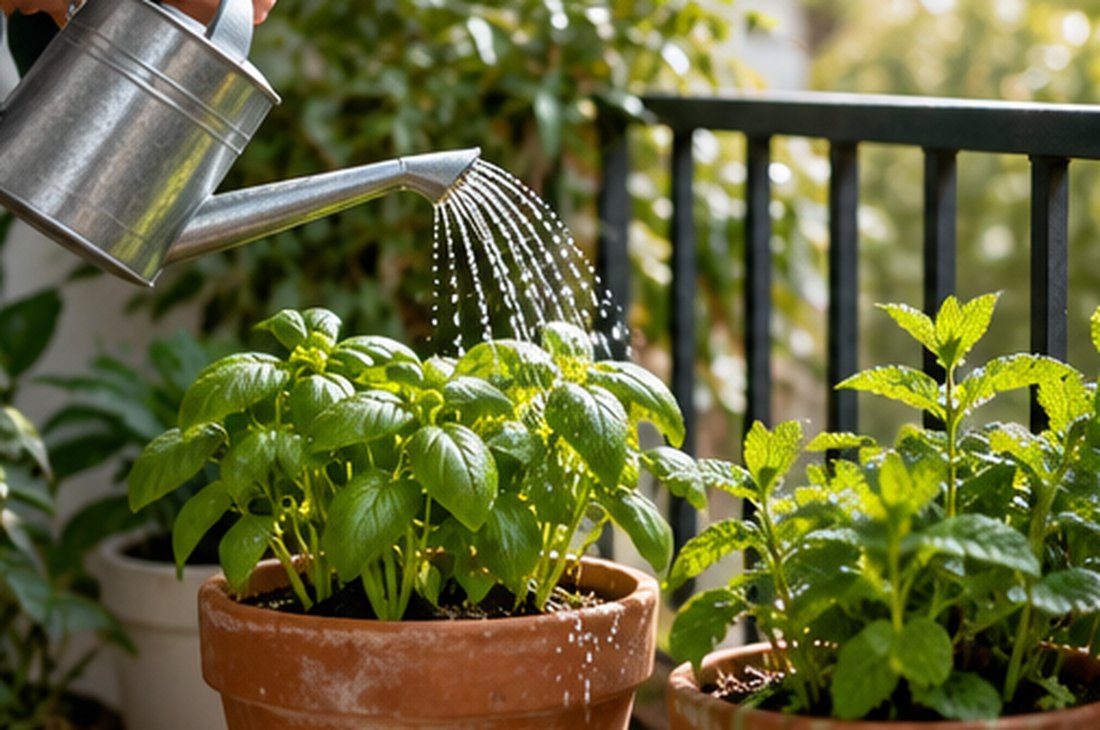
Use a watering can with a controlled spout and apply water slowly to the potting mix. Where the plant and container allow it, water until a little drains through the base, then let the pot finish draining. Empty a saucer or decorative cover pot rather than letting roots sit in pooled water. Don't assume a quick splash on the leaves has adequately watered the roots.
Check where the pot lives
A sunny balcony, bathroom, air-conditioned living room and shaded study all behave differently. Airflow, temperature, plant size, root development and container material influence drying. Changes in weather can matter more than a calendar. If you go away, think about whether the plant can safely be moved to a less exposed location or cared for by someone else rather than giving it an excessive drink beforehand.
Learn the warning signs
Dry, pulling-away potting mix and a very light container can suggest a thirsty plant. Persistent wetness, mushy stems or a musty smell may indicate the opposite. Wilting on its own does not distinguish between them. Before watering a wilted plant again, check whether the roots have access to air and that the pot can drain.
Keep notes only if they help
A simple note such as 'checked Thursday; still damp' can help a beginner learn how a particular pot behaves. A reminder can prompt you to inspect a plant, but shouldn't automatically trigger watering. Over time you may discover that checking the soil when you make morning coffee is enough. The objective is consistent observation, not a perfectly maintained spreadsheet.
Conditions, products and homes vary. This article is general information, not a substitute for professional advice about structural, electrical, plumbing, health, or specialist horticultural issues. Follow product instructions and local rules where relevant.