Drops of water on the inside of windows can be a sign that warm, moist indoor air is meeting a cooler surface. An occasional misted pane may be unsurprising in winter, but persistent condensation can contribute to damp, mould and material damage. The useful response is to look at moisture sources and ventilation, not simply wipe the glass and forget about it.
Understand where the moisture comes from
Showering, cooking, washing and drying clothes indoors all add moisture to the air. Windows and some wall surfaces cool more quickly than the air, so water can condense on them. The severity depends on the home, local climate, heating, insulation and ventilation. A new tightly sealed home can also have moisture problems when the ventilation system is insufficient or used incorrectly.
Deal with the everyday moisture sources
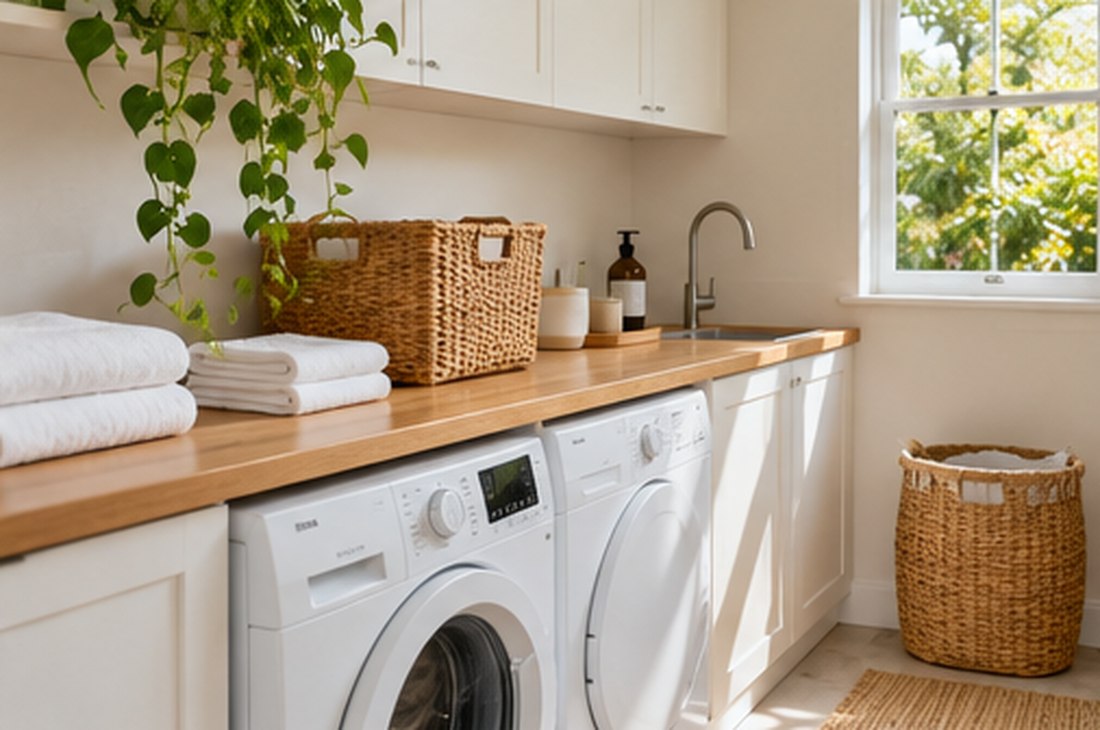
Use suitable exhaust ventilation when cooking and showering, following the appliance instructions. Where safe, practical and appropriate for the weather, drying clothes outside can reduce indoor humidity. Keep bathroom and laundry doors or vents arranged to avoid pushing moisture into other rooms. If there is a plumbing leak, fix the source rather than relying on an air freshener or a fan.
Keep surfaces dry and watch for patterns
Wipe accessible condensation using a suitable cloth and allow the area to dry. Look for recurring water near frames, corners, behind furniture and on cold external walls. Note when it appears and which activities precede it. Persistent staining, mould, musty odours or damaged materials may indicate a more complex problem that needs professional assessment.
Balance ventilation with comfort
Opening a window may help under suitable outdoor conditions, but it isn't a universal solution for every season or climate. Mechanical extraction, insulation, glazing and the way air travels through a building all matter. Avoid modifying ventilation ducts, gas equipment or building membranes yourself. A building professional can assess persistent condensation and propose appropriate climate-specific solutions.
Treat mould as more than a decorating issue
Mould and damp can affect health and building materials, especially for sensitive people. Do not disturb extensive growth or concealed materials without suitable professional advice. Check authoritative Australian indoor-air-quality guidance and follow safe remediation recommendations. Cleaning the surface repeatedly will not solve an active leak or a fundamental moisture-control problem.
Conditions, products and homes vary. This article is general information, not a substitute for professional advice about structural, electrical, plumbing, health, or specialist horticultural issues. Follow product instructions and local rules where relevant.