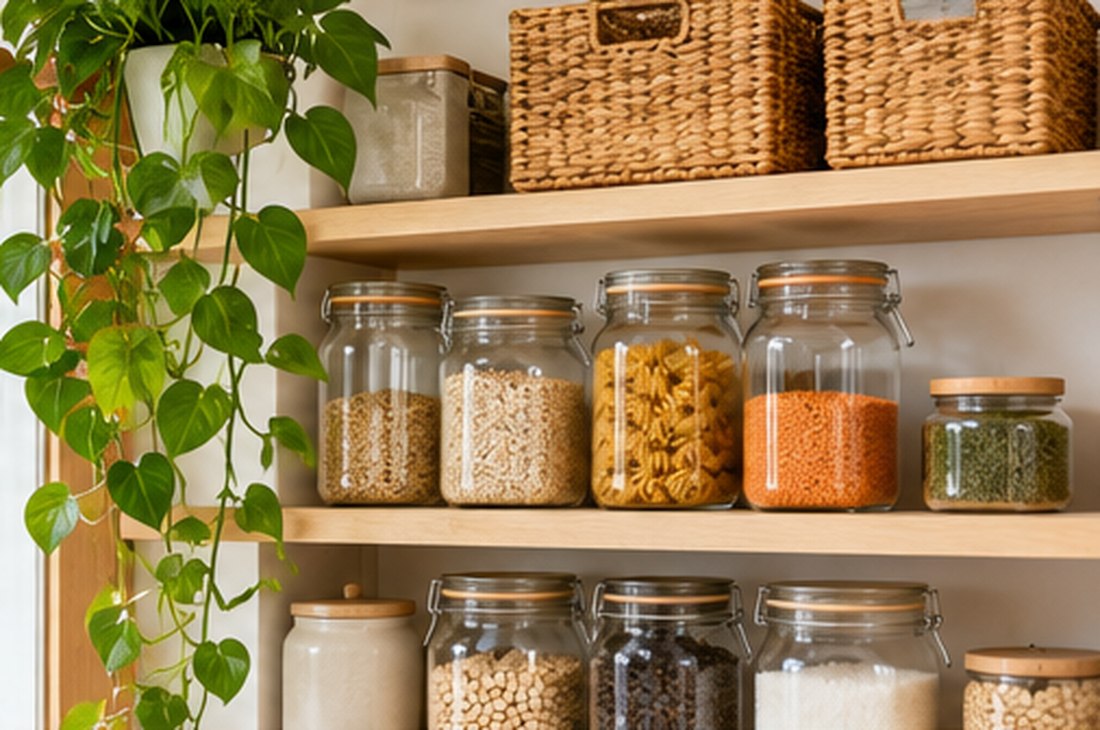
A well-organised pantry is useful when it makes dinner easier, not just when it photographs beautifully. You shouldn't need a full set of decanted jars or an empty Sunday to know what food you have. The quickest lasting improvement is often a clearer arrangement of things you already own and a simple habit for using older groceries first.
Start with one shelf
Pick a single shelf or small cupboard rather than emptying the entire kitchen. Check packaging, dates and any signs of damage before returning food. Follow food-safety guidance: a 'use by' date is different from a 'best before' date, and perishable foods need appropriate storage. Don't sample or keep food with contamination, pest or spoilage concerns simply to avoid waste.
Group by the job the food does
Put breakfast staples together, keep baking items in another area and make the ingredients for common meals easy to see. The categories only need to make sense to your household. If everyone reaches for pasta twice a week, pasta should not live behind rarely used party supplies. The most useful zone is the one that helps you locate something in a hurry.
Keep original information available
Decanting can hide expiry dates, allergens, cooking instructions and lot numbers. If you use containers, label them accurately and keep important product details or packaging where necessary. Food-safe, properly sealed containers can be useful for products vulnerable to pests or moisture, but there is no requirement for every package to be uniform. Avoid mixing new food into old stock without considering dates.
Put the awkward things somewhere safe
Heavier cans and jars should be stored on stable shelves at a manageable height. Keep cleaning chemicals away from food and children. Avoid stacking unstable glassware above your head. If you use risers, drawers or organisers, measure first and check weight limits. A clear view of the shelf is more useful than squeezing in one more tier.
Make the next shop easier
Before shopping, look through the grouped areas and note what you genuinely need. Place newer purchases behind older suitable stock when practical. If the same packet repeatedly expires, consider buying less of it rather than creating a special storage solution. The pantry is organised when it is easy to use and maintain, even if the jars don't match.
Conditions, products and homes vary. This article is general information, not a substitute for professional advice about structural, electrical, plumbing, health, or specialist horticultural issues. Follow product instructions and local rules where relevant.
A note on this guide
General practical advice for everyday Australian homes. If your property, tenancy or product has specific requirements, those instructions should take priority.