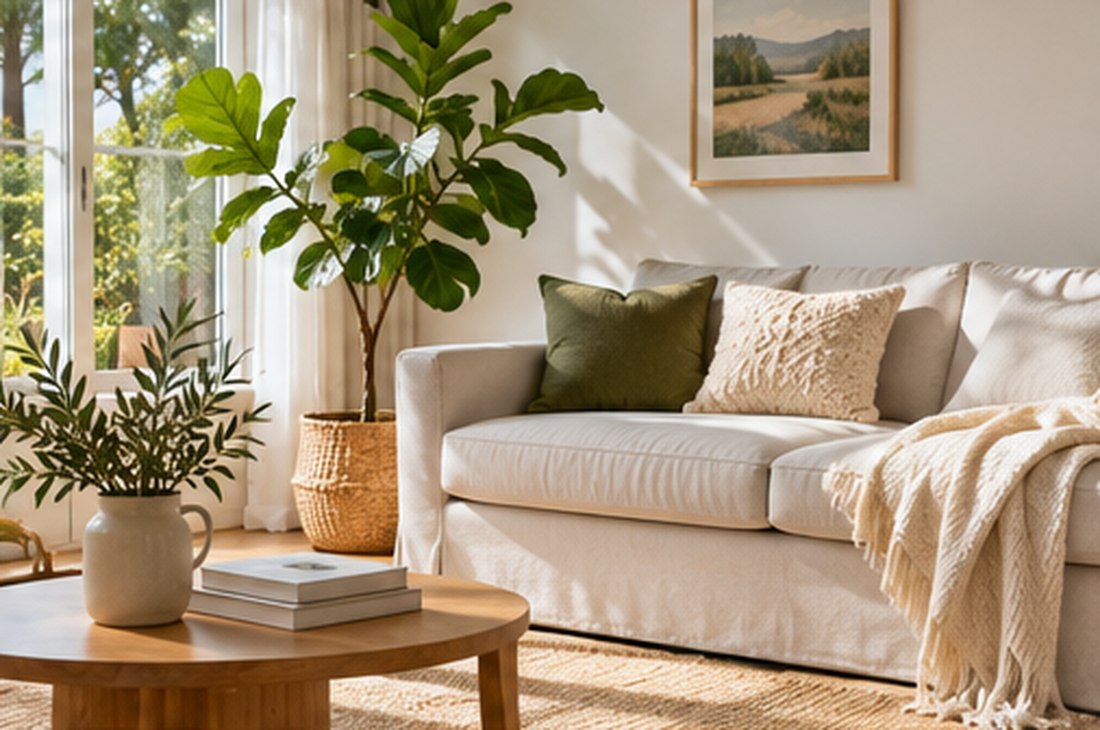
A small living room can feel crowded even when it contains only a few pieces of furniture. Often the issue is less about square metres than where the furniture sits and which tasks compete for space. A thoughtful rearrangement can improve comfort and circulation before you spend anything on a new sofa or shelving.
Draw the room you actually have
Measure the walls, door swings, windows and larger furniture pieces. Note power points and the spots where you naturally cross the room. A quick sketch on paper can make bottlenecks obvious. If a sofa blocks a doorway or every trip to the balcony means walking around a coffee table, it's worth solving that circulation problem before adjusting the decor.
Choose one main purpose
Does the room mostly host conversation, television, children playing, reading or several activities at once? There may be no single correct answer, but choosing a primary purpose can help set priorities. Arrange the most-used seats and surfaces around that activity. Secondary functions can be served by light, moveable pieces rather than permanently claiming large areas of floor.
Give furniture some breathing room
Try pulling a piece a little away from a corner or removing an unnecessary side table for a week. Keep clear walking paths and avoid creating trip hazards with cords and rugs. Furniture can feel calmer when there is space to move around it, even if you don't aim for a minimalist room. Resist buying a 'space-saving' item until you've checked whether you truly need another object.
Make storage do a clear job
A basket for throws, a shelf for regularly used books and a defined place for remotes can be enough. Storage isn't successful if it just hides piles you never use. Put everyday items where they can be reached comfortably and heavy objects low and secure. Wall-mounted units need appropriate fixings, professional assistance when necessary and permission in rental properties.
Reassess the view from the doorway
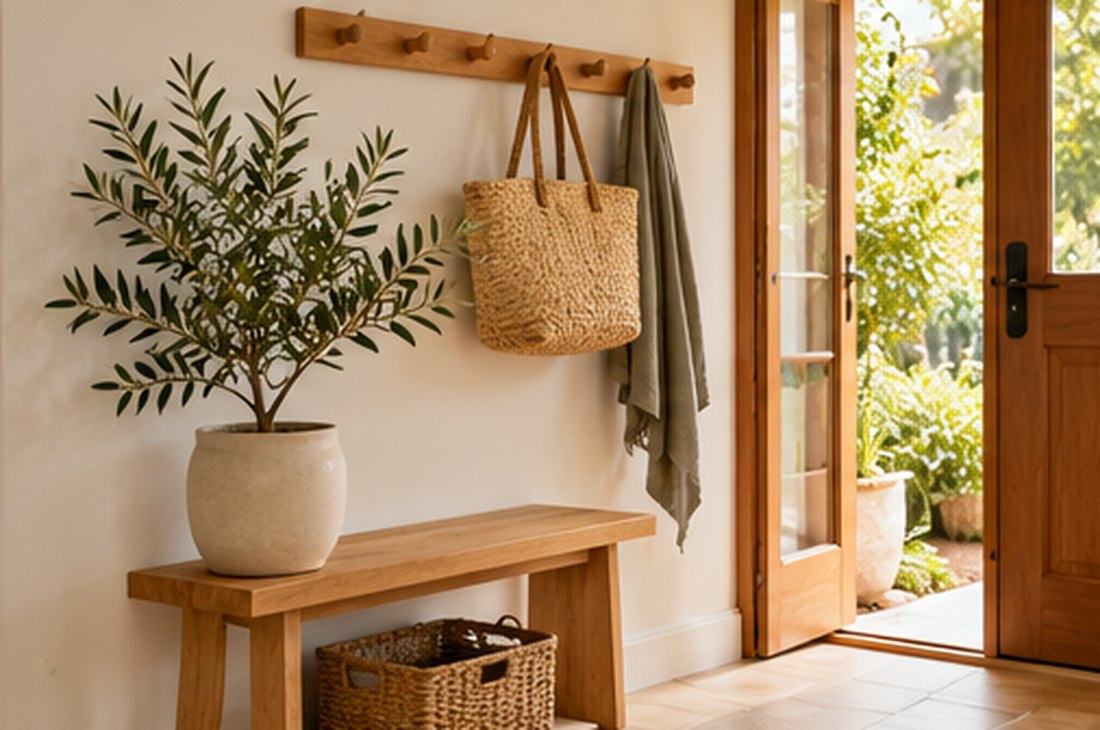
Stand in the entrance and notice what attracts your attention first. A clear floor, a well-positioned lamp, one picture or a healthy plant may create more impact than five new accessories. Work with natural light rather than putting furniture where heat and glare will make it uncomfortable. Live with the arrangement for a few days before deciding it is finished.
Conditions, products and homes vary. This article is general information, not a substitute for professional advice about structural, electrical, plumbing, health, or specialist horticultural issues. Follow product instructions and local rules where relevant.