Garden centres sell an impressive amount of equipment, but a container garden or single raised bed rarely needs a shed full of specialised tools. Before buying a matching set, look at the tasks you will perform most often. Simple, comfortable tools can be a better starting point than expensive equipment designed for much larger spaces.
A hand trowel is a practical starting point
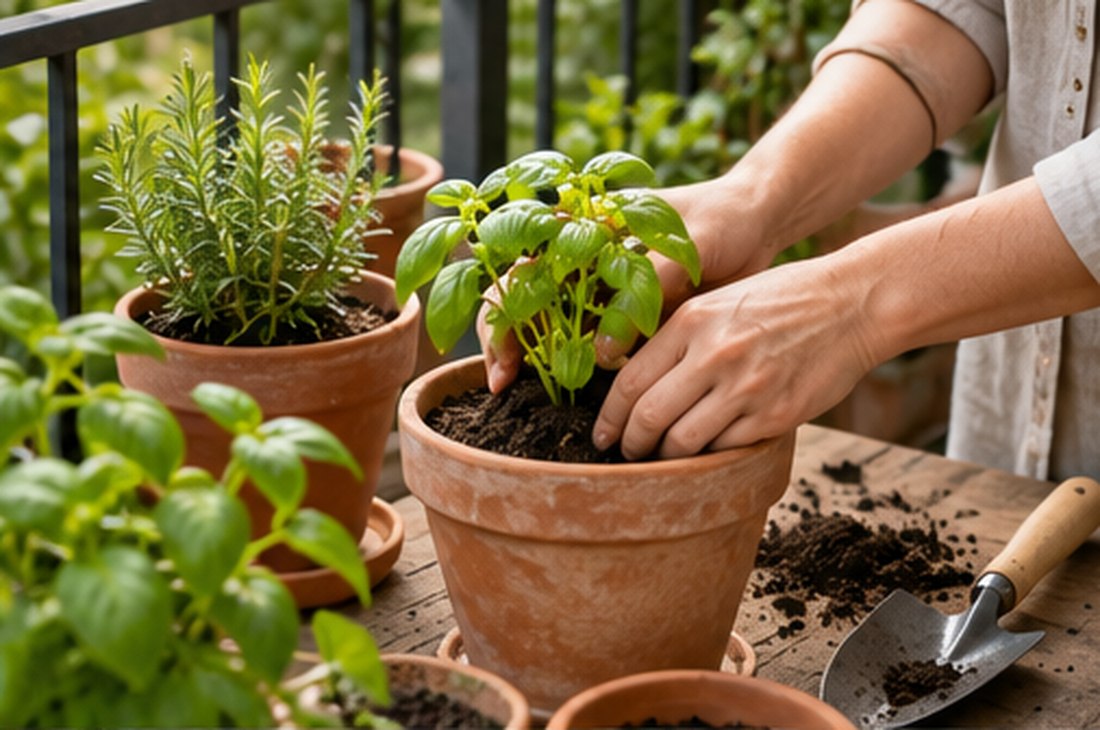
For potting and small planting jobs, a solid trowel with a comfortable handle is useful. Check that the blade is sturdy, the handle fits your grip and there are no sharp or loose joins. If you have wrist or hand limitations, compare ergonomic options and consider advice about suitable tools. A cheap tool that bends immediately may be poor value even for occasional use.
Watering equipment should fit the space
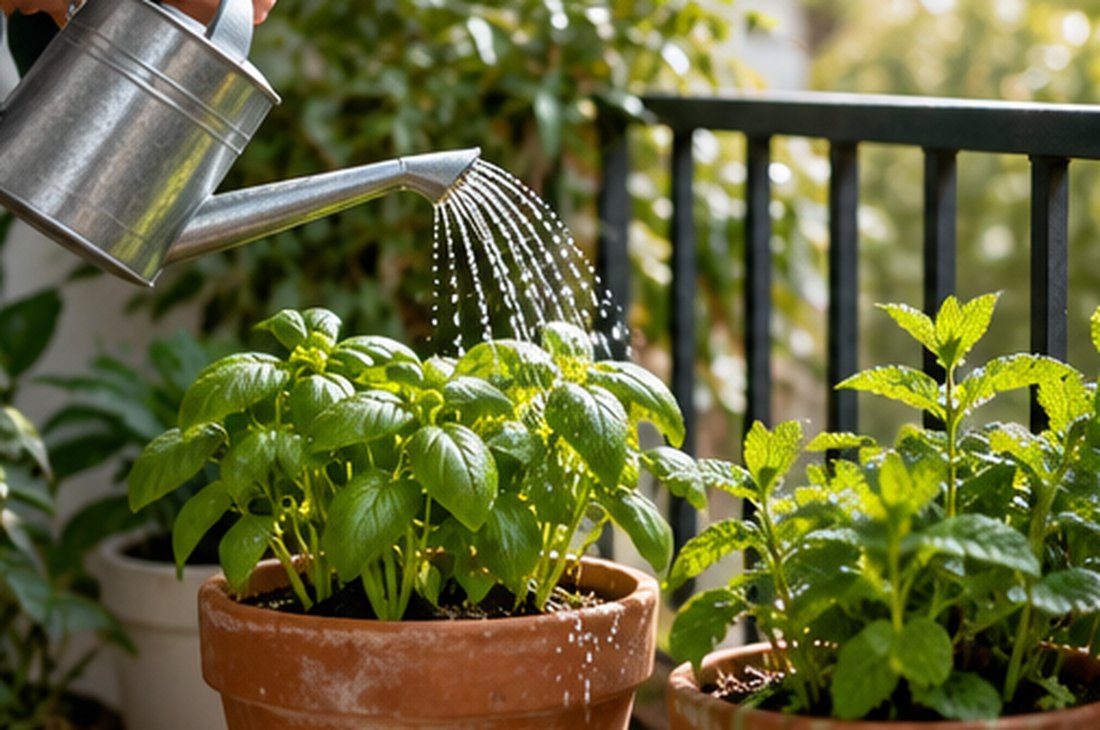
A small watering can is easy to control on balconies and among containers. A hose may suit a larger garden, but check connector compatibility, nozzle control and whether the hose creates a trip hazard. Consider how heavy a full watering can will be to carry. Targeted watering is often more useful than buying the longest possible hose.
Gloves and hand care deserve thought
Choose gloves that fit well enough to grip tools and provide appropriate protection for the task. Different materials suit wet work, thorny plants and handling rough objects. Gloves are not a substitute for avoiding hazardous material or following safe handling instructions. Wear suitable footwear outdoors, wash hands after handling soil and store tools safely when finished.
Add cutting tools when you need them
Secateurs can help with light pruning and harvesting, but not every beginner needs them immediately. Look for a safe locking mechanism and a size you can control. Keep blades clean and follow manufacturer maintenance instructions. For large branches, tree work or anything near powerlines, seek a suitably qualified professional rather than attempting to scale up a hand tool.
Spend more only when the need is clear
A kneeling pad, garden fork or wheelbarrow might become useful later, depending on your plot and physical needs. Try borrowing or hiring specialist equipment where practical. Check warranties, replaceable parts and local repair options before buying. Building a kit slowly based on real jobs keeps costs—and unnecessary clutter—down.
Conditions, products and homes vary. This article is general information, not a substitute for professional advice about structural, electrical, plumbing, health, or specialist horticultural issues. Follow product instructions and local rules where relevant.